B401 LKW Crashes: Highlighting Severe Injuries and Traffic Delays
The Bundesstraße 401 (B401), a vital artery in the Oldenburg region, has unfortunately become synonymous with serious road incidents, particularly those involving heavy goods vehicles (HGVs) or trucks (LKW). These Unfall B401 incidents frequently lead to devastating consequences, ranging from severe and life-threatening injuries to prolonged traffic chaos and significant economic disruption. An examination of recent events underscores the critical need for heightened awareness, rigorous safety measures, and a deeper understanding of the contributing factors behind these alarming crashes.
The sheer scale and weight of an LKW mean that any collision, especially a frontal one or an overturn, can be catastrophic. The incidents reported on the B401 are stark reminders of the immediate human cost and the far-reaching impact on daily life and regional logistics. From drivers trapped in mangled vehicles to hours-long road closures, the ripple effects are profound.
The Alarming Trend: Documenting Recent B401 LKW Incidents
Recent months have seen multiple major incidents on the B401, each leaving a trail of severe injuries and extensive traffic disruptions. These incidents paint a concerning picture of road safety challenges in the region:
- LKW Overturn Near Oldenburg (November 5th): A Tuesday morning saw a heavy goods vehicle veer off the B401 near Oldenburg. The truck careened down an embankment, collided violently with a tree, and subsequently overturned, coming to rest on its side on an adjacent path. The driver was entrapped in the wreckage, necessitating a complex rescue operation by fire department personnel. Once extricated, the injured driver was rushed to a hospital for treatment. The severity of the incident and the complexity of recovery operations led to the B401, specifically the Küstenkanalstraße section, being completely closed for several hours, causing substantial traffic diversions and delays. The precise cause of this particular Unfall B401 remains under investigation.
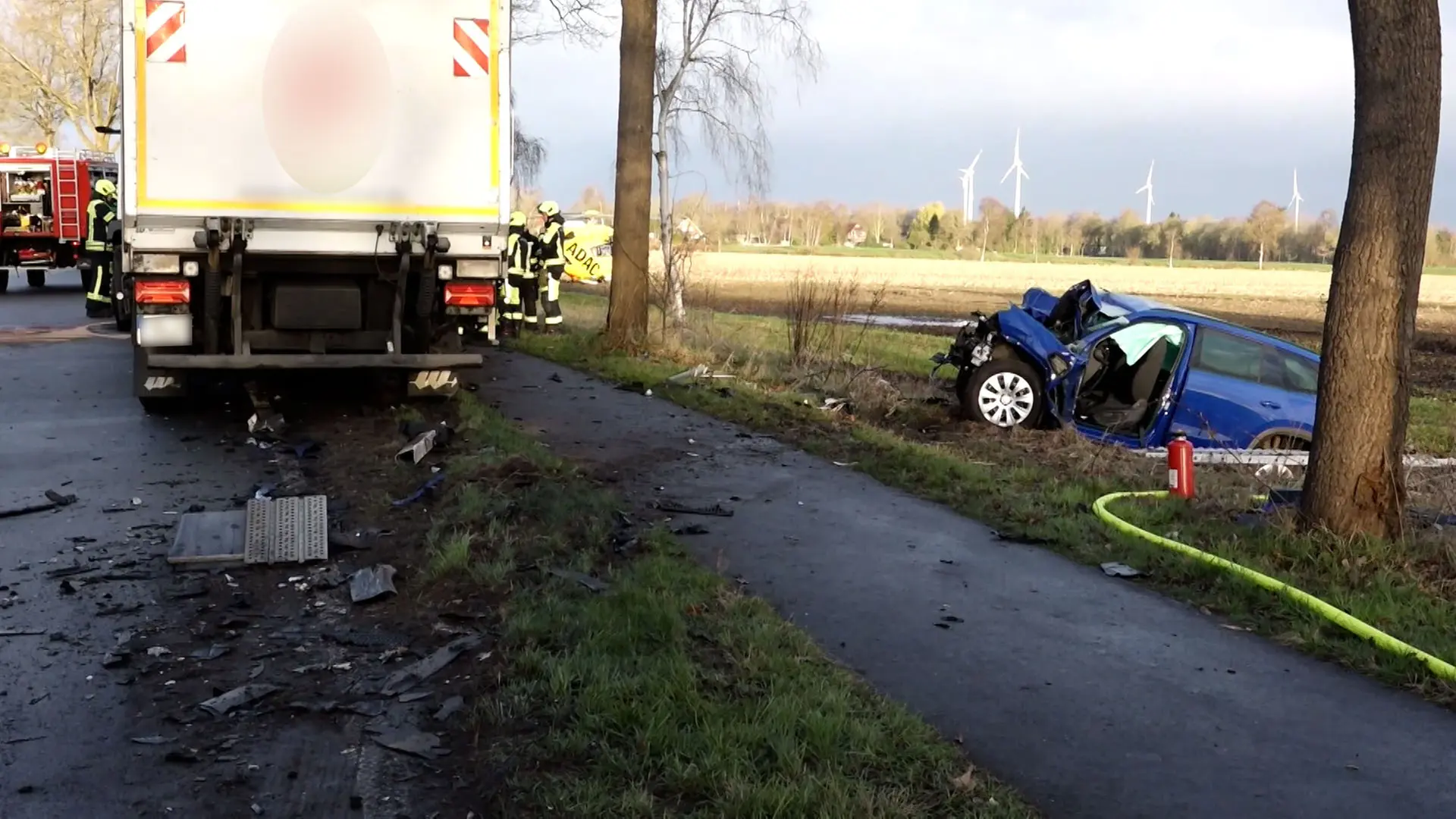
- Frontal Collision in Edewecht (Wednesday Morning): A particularly grave accident occurred on the B401 near Edewecht early one Wednesday morning. A passenger car and an LKW collided head-on in what witnesses described as a terrifying impact. The 37-year-old driver of the car, hailing from Friesoythe, sustained life-threatening injuries and had to be freed from the crumpled vehicle before being airlifted to a hospital by a rescue helicopter. The 41-year-old truck driver from Bremen suffered lighter injuries and was also hospitalized. Initial police findings suggest the car, for reasons still unknown, veered into oncoming traffic in a long right-hand bend between Süddorf and Husbäke, striking the LKW that was traveling from Oldenburg. The impact flung the car into a ditch. The B401 remained closed for an extensive seven hours for recovery and accident investigation, highlighting the severe nature of such frontal collisions and overturns on the B401. Authorities have appealed for witnesses to come forward, particularly concerning road conditions at the time of the incident.
- Fatalities Narrowly Avoided in Klein Scharrel (December 8th, 2025): A later incident on the B401 near Klein Scharrel (Edewecht municipality) involved another devastating head-on collision. An 83-year-old driver from Wardenburg, travelling from Edewecht towards Oldenburg, inexplicably crossed into the opposing lane and collided frontally with an oncoming articulated truck. Both vehicles were rendered inoperable. The elderly driver and his 58-year-old passenger from Oldenburg sustained severe injuries and were trapped in their vehicle, requiring fire department intervention for extrication. Both were transported to local hospitals. The 49-year-old truck driver from Westoverledingen, though under shock, sustained only minor injuries. Fortunately, none of the individuals involved were in life-threatening condition, and the dispatched rescue helicopter was not required for transport. This accident led to the B401 being closed for over six hours between Jeddeloh II and Klein Scharrel, once again causing significant inconvenience for motorists.
The Devastating Human Cost: Severe Injuries and Rescue Efforts
Each Unfall B401 involving an LKW brings with it a grim assessment of human suffering. The impact differential between a multi-ton truck and a passenger car is immense, often resulting in far more severe injuries for car occupants. In the reported incidents, we see a recurring theme of serious to life-threatening injuries, drivers trapped within their vehicles, and the critical intervention of emergency services.
- Trapped Victims: The physical force of these collisions frequently deforms vehicle cabins to such an extent that drivers and passengers become physically trapped. Firefighters, specially trained in hydraulic rescue techniques, play a heroic role in carefully cutting away wreckage to free victims, a process that is often time-consuming and requires immense precision.
- Multi-Agency Response: The response to these severe crashes involves a coordinated effort from multiple agencies: police for traffic management and investigation, paramedics for immediate medical care, fire departments for rescue and scene safety, and sometimes air ambulances for rapid transport of critically injured patients to specialized trauma centers. This multi-faceted response underscores the high-stakes nature of LKW collisions.
- Long-Term Impact: Beyond the immediate physical injuries, victims often face long roads to recovery, including extensive rehabilitation, psychological trauma, and potential long-term disabilities. The emotional toll on families and first responders is also considerable.
Navigating the Aftermath: Traffic Chaos and Economic Ripple Effects
One of the most immediate and disruptive consequences of these LKW crashes is the complete closure of the B401. As documented in these incidents, closures can last anywhere from several hours to over half a day. This leads to:
- Massive Traffic Delays: Thousands of commuters, residents, and commercial drivers are forced to seek alternative routes, often leading to severe congestion on smaller, less suitable roads. This wastes countless hours and causes immense frustration.
- Economic Impact: For businesses reliant on timely deliveries, particularly those using the B401 for logistics, these closures translate directly into financial losses. Perishable goods can spoil, delivery schedules are disrupted, and supply chains are strained. Local businesses might also suffer from reduced customer traffic. For more details on this recurring issue, refer to B401 Accidents: Repeated Road Closures and Traffic Chaos Near Oldenburg.
- Increased Risk on Diversion Routes: The influx of traffic onto unfamiliar or less robust roads can sometimes paradoxically increase the risk of minor accidents on these diversion routes.
Understanding the "Unbekannte Ursache": Potential Factors and Prevention
While the exact causes for many of these Unfall B401 incidents remain under investigation, authorities often point to a range of common factors contributing to such severe LKW crashes and frontal collisions:
- Driver Error:
- Distraction: Using mobile phones, adjusting infotainment systems, or even simply being lost in thought can lead to a momentary loss of control, especially critical for LKW drivers.
- Fatigue: Long hours on the road can lead to impaired judgment and delayed reactions. While regulations exist for truck drivers' rest periods, fatigue remains a significant risk factor.
- Speeding: Driving too fast for conditions, whether due to weather or road geometry (like sharp bends), reduces reaction time and increases stopping distances.
- Impairment: Alcohol or drug use, though less common among professional LKW drivers due to stringent checks, can severely impair driving ability.
- Medical Emergencies: Sudden health issues, such as heart attacks or strokes, can cause a driver to lose control.
- Road Conditions:
- Slippery Surfaces: Rain, ice, or snow significantly reduce tire grip, making vehicles, especially heavy trucks, harder to control.
- Poor Visibility: Fog, heavy rain, or glare from the sun can obscure road markings or other vehicles.
- Road Design: While the B401 is a Bundesstraße, certain curves or sections might be more challenging, especially in adverse conditions or for oversized vehicles.
- Vehicle Defects:
- Tire Blowouts: A sudden tire failure can cause an LKW to swerve uncontrollably.
- Brake Failure: Malfunctioning braking systems can lead to an inability to stop in time.
- Load Shifting: Improperly secured cargo can shift during transit, destabilizing the truck and potentially causing an overturn.
Actionable Advice for Safer Roads:
To mitigate the risk of future LKW crashes and their severe consequences, both truck and car drivers share a collective responsibility:
- For All Drivers:
- Practice Defensive Driving: Always anticipate potential hazards and react proactively.
- Maintain Safe Distances: Especially crucial behind HGVs, as they require significantly longer braking distances.
- Eliminate Distractions: Keep your focus solely on the road.
- Adapt to Conditions: Reduce speed and increase caution in adverse weather or challenging road sections.
- Regular Vehicle Maintenance: Ensure your vehicle, including tires and brakes, is in optimal working order.
- Specific for LKW Drivers:
- Adhere to Rest Regulations: Prioritize adequate rest to combat fatigue.
- Secure Loads Properly: Prevent cargo shifts that can destabilize the vehicle.
- Conduct Pre-Trip Inspections: Check tires, brakes, lights, and fluid levels before every journey.
- Be Aware of Blind Spots: Truck blind spots are extensive; be extra cautious when changing lanes or turning.
- Specific for Car Drivers Around LKW:
- Avoid Blind Spots: If you can't see the truck driver's mirrors, they likely can't see you. Pass quickly and efficiently.
- Give Space: Do not cut in front of a truck, especially when it's turning or braking.
- Be Patient: Truck acceleration is slower; avoid aggressive maneuvers.
Conclusion
The series of severe Unfall B401 incidents, particularly those involving LKWs, serves as a sobering reminder of the inherent dangers on our roads. The pattern of severe injuries, complex rescue operations, and prolonged traffic disruptions on the B401 near Oldenburg and Edewecht highlights the critical need for continuous vigilance. By understanding the potential causes, from driver error to environmental factors, and by implementing proactive safety measures, we can collectively work towards minimizing these devastating occurrences. Ensuring road safety is a shared responsibility, requiring careful driving, adherence to regulations, and an unwavering commitment to preventing future tragedies on this vital Bundesstraße.